
The Future of Experiential Marketing: When the Audience Becomes the Stage
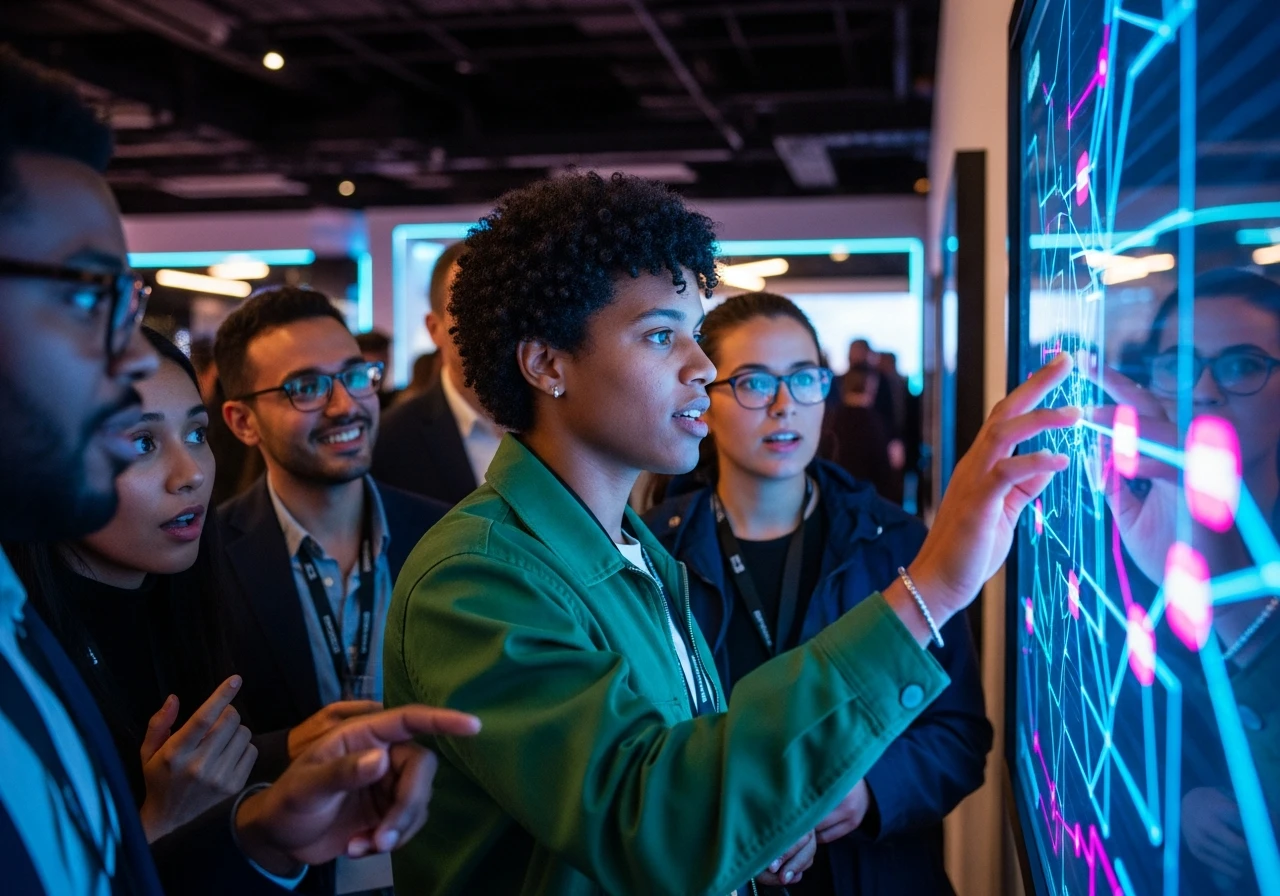
From Passive Viewing to Active Creation: A Paradigm Shift
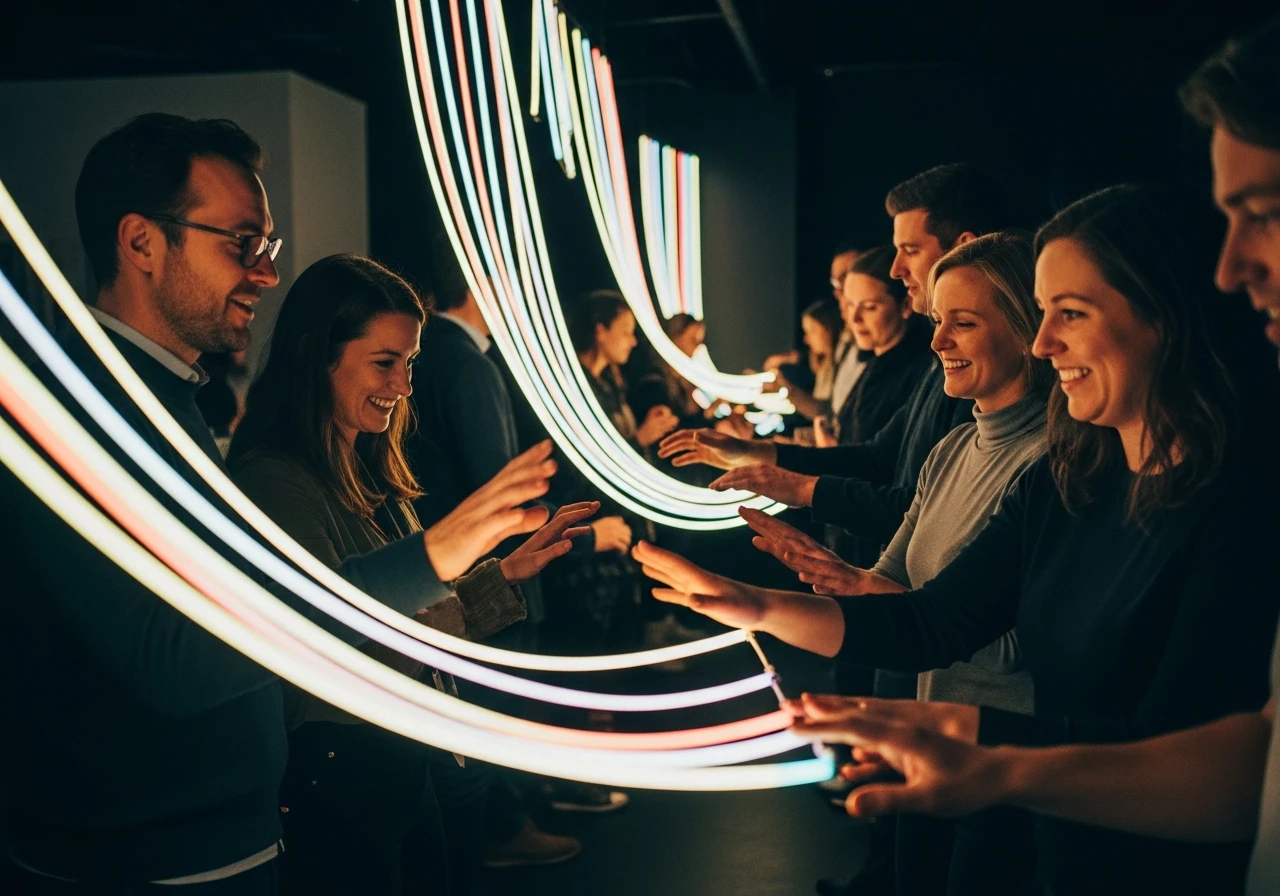
In the traditional understanding of events, roles were clearly defined: the brand was on stage, delivering its message; the audience sat in their seats, passive observers. However, with the digital revolution and the rise of social media, this dynamic has been fundamentally shaken. Now, every individual is the curator of their own life, the narrator of their own story. This is precisely where the future of experiential marketing is taking shape: instead of merely setting a stage, brands must now design a playground where participants can create their own narratives.
In this new era, success will belong not to those who build the most magnificent stage, but to those who can transform the audience into an integral part of it. Participants are no longer just consumers; they are becoming content creators, publishers, and the most powerful organic channels for disseminating a brand's message. This transformation fundamentally redefines the relationship between a brand and its target audience.
Phygital Experiences: The Intersection of Physical and Digital Worlds
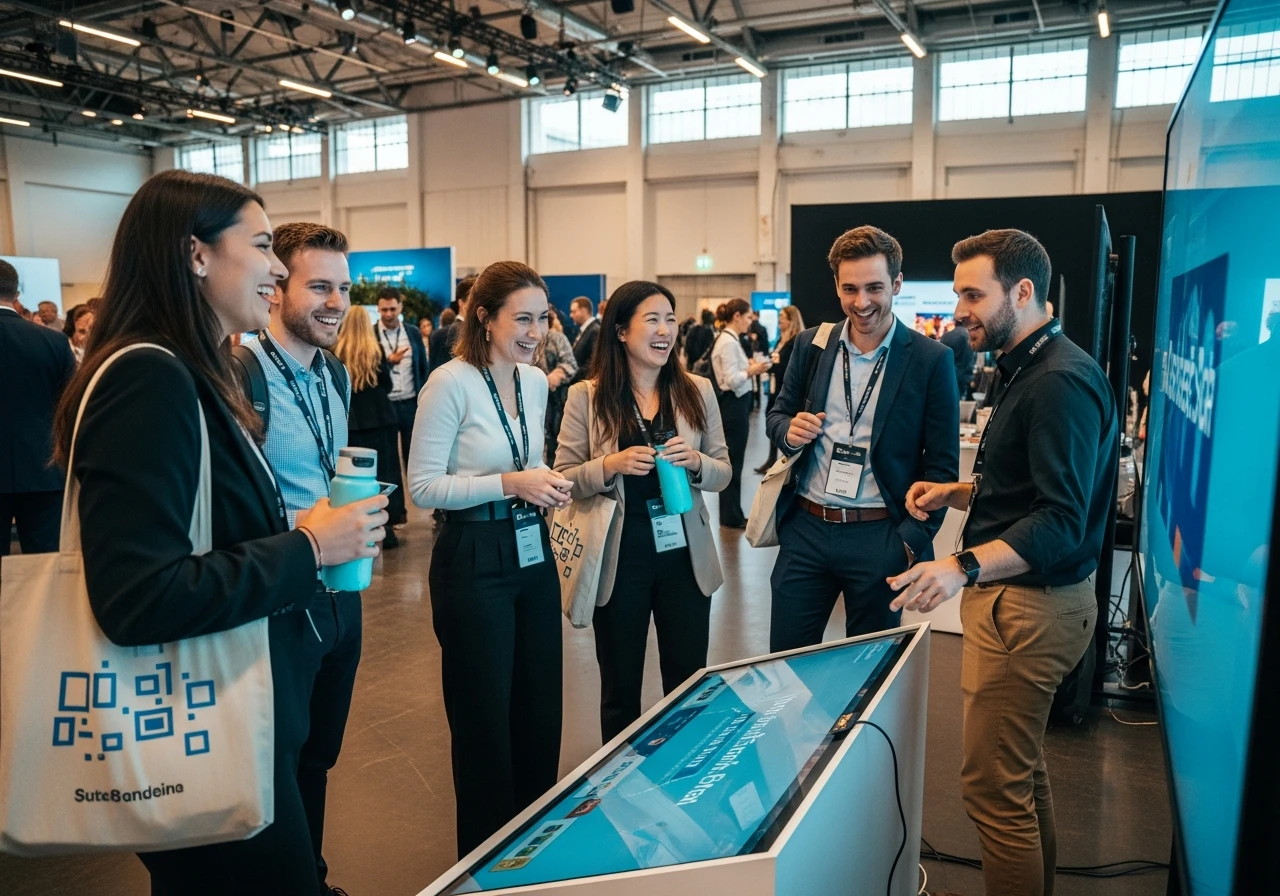
At the heart of this new paradigm lies the concept of 'phygital.' These experiences, where the physical and digital worlds seamlessly intertwine, enable participants to be active in both realms. Consider Nike's running events: a community that gathers physically tracks their runs digitally via an app, shares their achievements on social media, and continues their interactions within digital communities. Physical exertion transforms into a digital badge; digital engagement inspires the next physical gathering.
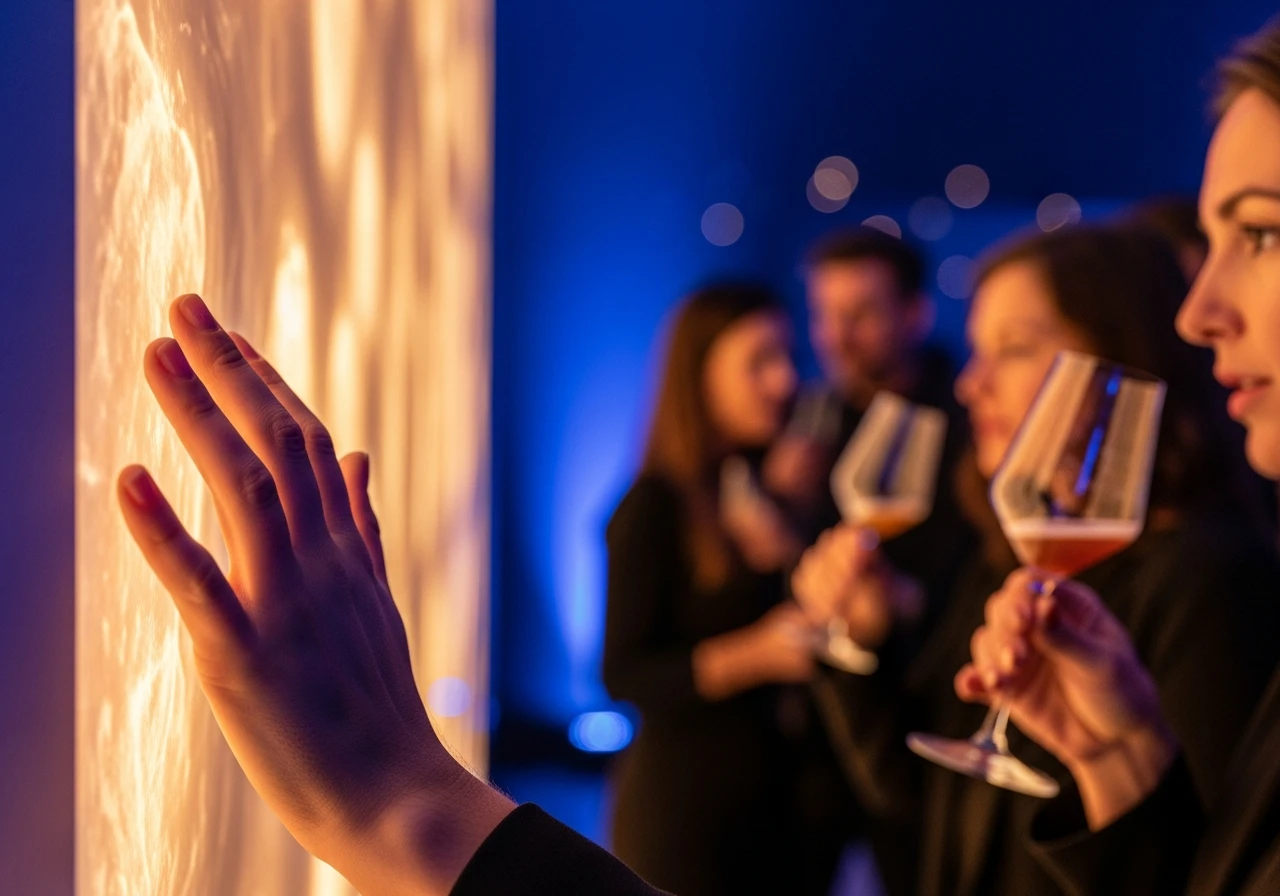
Similarly, at major industry events like SXSW or Cannes Lions, participants' experiences are not confined to conference halls. RFID wristband check-ins, augmented reality (AR) filters, interactive installations, and event-specific mobile applications encourage leaving a digital footprint and sharing physical presence. This allows the event to transcend geographical boundaries, transforming into a living organism even for those who aren't physically present.
From Participant to Co-Creator: Writing the Brand Story Together
The next step in the experiential journey is to position the participant not just as a content creator, but as a 'co-creator.' One of the brightest examples of this strategy is Spotify Wrapped. Spotify processes user data to provide a personalized summary, but the real magic happens when users embrace and share this data as part of their own social media story. Millions of people tell their unique brand story using the tools provided by the brand, voluntarily taking on Spotify's marketing efforts.
Coca-Cola's 'Share a Coke' campaign, which became a global phenomenon, was also based on this philosophy. The brand didn't just offer a product with names on bottles; it motivated people to find their loved ones, share a moment with them, and photograph that memory. The true power of the campaign lay in people creating and sharing their personal stories with these bottles. The brand only wrote the beginning of the story, leaving the rest to the community.
Technology: An Invisible Enabler
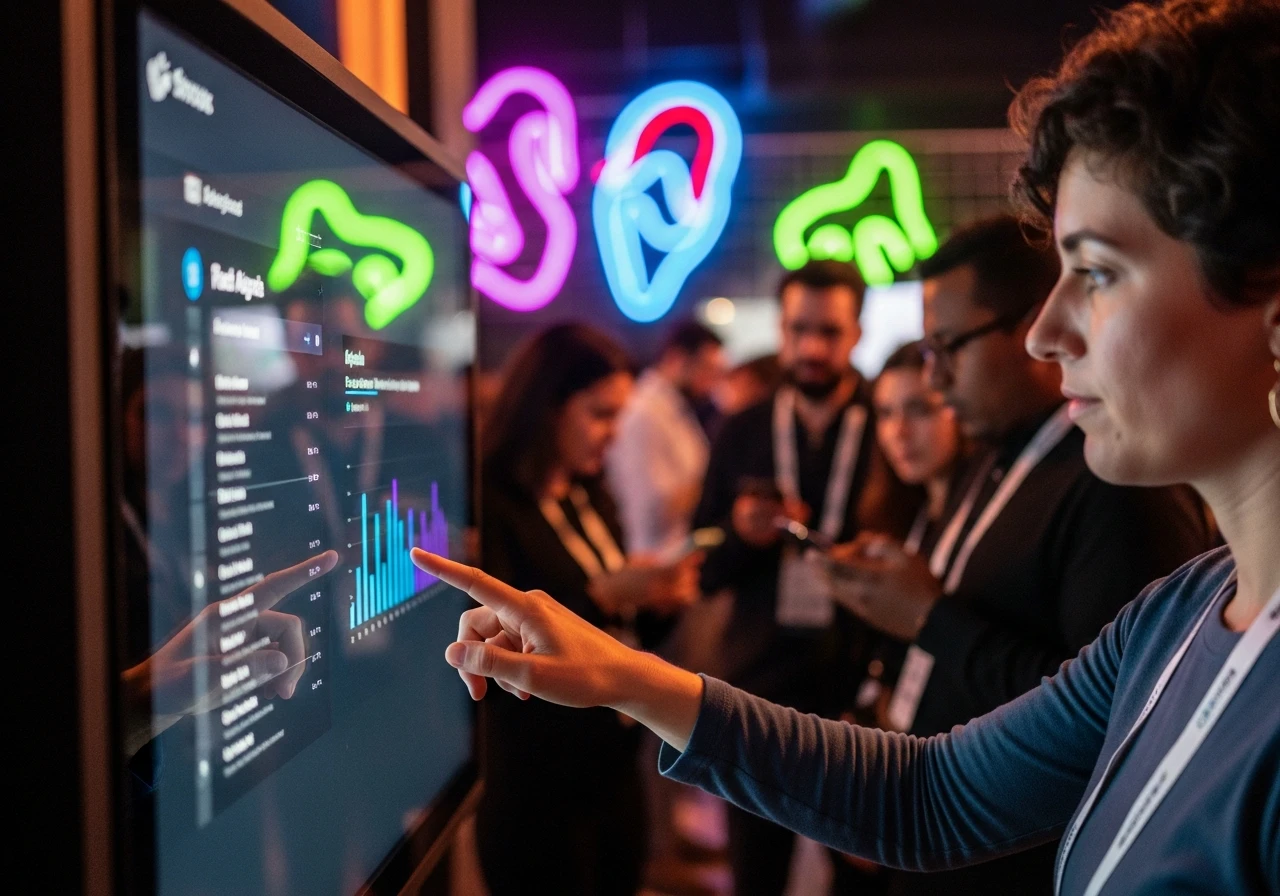
The driving force behind all this transformation is undoubtedly technology. However, the critical point here is not to place technology at the center of the experience, but to use it as an invisible enabler that supports human interaction and creativity. Artificial intelligence (AI) can offer personalized journeys based on participant preferences, while augmented reality (AR) can add a layer of digital meaning to physical spaces. Data analytics allows us to understand which interactions resonate most, enabling us to design future experiences more accurately.
Yet, it must be remembered that the goal is not to create a technology demo, but to forge an authentic and emotional connection. Technology is valuable only to the extent that it enables people to interact with each other and with the brand in a more meaningful way.
Conclusion: Next-Generation Brand Loyalty
The future of experiential marketing is evolving from one-way message broadcasting to multi-player storytelling. Brands' task is no longer to tell audiences what to think or feel, but to provide them with the necessary tools and platforms to create their own experiences, share them, and become part of the brand. Brands that place the audience at the center of the stage, embracing them as co-creators, will build not temporary interest, but deep and lasting loyalty. Because people never forget a story they were a part of.
If you'd like to implement these trends for your brand and design an unforgettable experience, get in touch with us.
Get a Quote for Your Project
Contact us for experiences that will make your events unforgettable.